
By Michael Jones
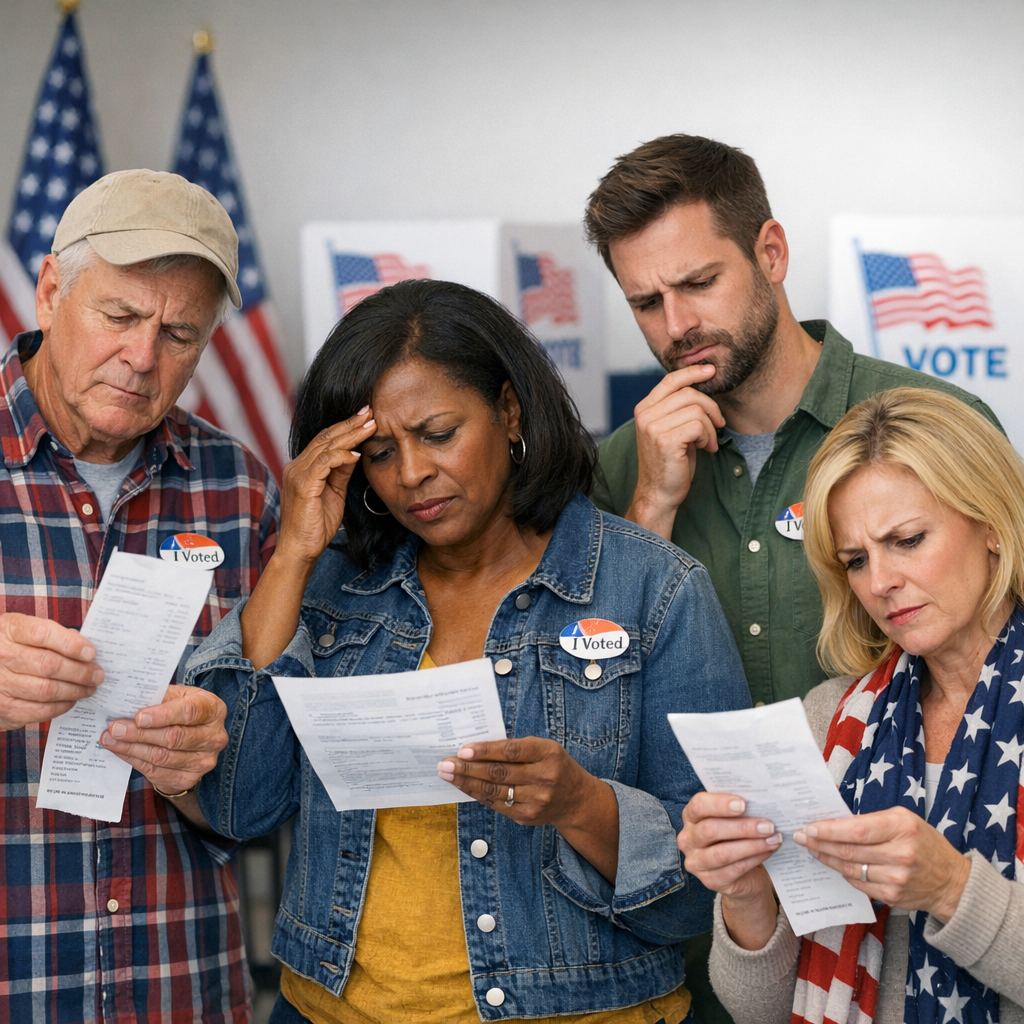
There’s a story unfolding beneath the headline job growth and stock market gains: a widening economic anxiety among everyday Americans. As policies roll out and midterm campaigns ramp up, the divide between macroeconomic metrics and personal financial strain is becoming a central political fault line.
Signs of Economic Distress
Although the jobless rate remains stable and business investment is seeing gains—especially in industries tied to artificial intelligence—many families across the country continue to feel squeezed. Elevated inflation persists, particularly in essential areas like food, housing, and energy. For many, wage gains haven’t kept pace with rising costs, eroding actual purchasing power.
According to recent public opinion data, concern over housing affordability, healthcare expenses, and the rising price of everyday goods remains high. Many report feeling stuck financially, unable to get ahead even as the economy displays superficial signs of strength.
Pressure on Policymakers
The Federal Reserve’s decision to raise interest rates for the first time since 2023 underscores the tension between curbing inflation and supporting economic growth. Meanwhile, the White House, which had forecasted stronger growth, is under increasing scrutiny for the gap between its projections and the lived experience of many citizens.
Republicans are promoting policies aimed at bolstering manufacturing, controlling immigration, and using trade as leverage. But the political narrative leaders emphasize—of a “Golden Age”—is being met with skepticism by voters who view their costs of living as anything but golden.
What This Means for the Midterms
Since midterm elections tend to reflect voters’ immediate concerns, economic unease makes affordable living and price stability potent topics. Polls show rising numbers of voters holding the economy as a key issue and questioning which party best addresses affordability.
The political stakes are real. When financial stress becomes widespread, it can shift electoral momentum—even if broader economic indicators look favorable. For both parties, closing the credibility gap around inflation, debt, and cost pressures might be as important as policy itself.
Looking Ahead
Americans are keeping close watch on inflation trends, particularly if the Fed’s rate hikes begin to bite harder. Also under scrutiny: how federal policies impact access to housing, healthcare, and essential services.
For voters in Sunnyvale—or any part of the Bay Area—where housing costs are already among the highest in the country, even small shifts in national policy or interest rates can have outsized effects. And politics aside, the economic reality is that resilience must be felt in wallets, not just in financial reports.